Understanding Indian Stock Trading App Interfaces
Introduction to Online Trading in India
In recent years, the Indian financial market has witnessed a strong shift toward digital platforms, making stock trading more accessible than ever before. A significant contributor to this change is the rise of the online trading app, which allows users to buy and sell stocks with just a few taps. These apps provide users with the ability to open a free demat account, making it easier for new investors to enter the market without upfront costs.
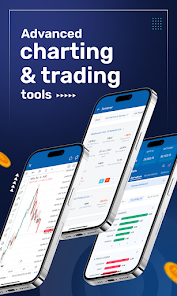
The design and functionality of these apps play a vital role in user experience. A well-structured interface not only supports smooth trading activity but also ensures that users can monitor their portfolio, analyze stock data, and make informed decisions. Understanding how these apps are structured can help both beginners and experienced traders enhance their efficiency and comfort while trading.
Key Components of an Indian Stock Trading App Interface
To navigate the stock market efficiently using a mobile device, it's essential to understand the key elements of the interface. Each section of an online trading app serves a specific purpose, ensuring a balance between functionality and ease of use.
Dashboard Overview
The dashboard is the first point of interaction and serves as the command center of the app. It typically displays:
- Account balance
- Portfolio summary
- Market indices
- Watchlists
- Recent transactions
A good dashboard presents all this information clearly, enabling traders to gain insights at a glance.
Market Watch Section
This feature allows users to monitor selected stocks in real time. It offers:
- Live stock prices
- Day's high and low
- Trading volumes
- Percent change
Customizable watchlists enable users to track only the stocks that matter to their strategies.
Order Placement Interface
One of the most critical parts of any trading app is the order placement section. It must be intuitive, allowing traders to:
- Buy or sell instantly
- Choose between market, limit, and stop-loss orders
- Modify or cancel existing orders
Clear confirmation prompts and transaction summaries reduce the risk of errors.
Portfolio Management Screen
This section offers detailed insights into the user’s holdings. Typically, it includes:
- Quantity and value of each stock
- Realized and unrealized gains/losses
- Dividend information
- Historical transactions
An effective portfolio screen helps investors track performance and rebalance when necessary.
Charting and Technical Tools
Modern stock trading apps often come with built-in charting capabilities. These allow traders to:
- Analyze price trends
- Apply technical indicators like RSI, MACD, moving averages
- Study timeframes from 1 minute to several months
Charts are essential for traders who use technical analysis in their decision-making.
Research and Analysis Section
This area is tailored to provide news, expert views, and financial data. Common features include:
- Company financials
- Analyst ratings
- Sector-wise performance
- Market news
A strong research section helps investors stay informed and make better choices.
Features Enhancing the User Experience
The usability of an online trading app is not just defined by functionality, but also by how smoothly the user can interact with its features.
Notifications and Alerts
Timely updates on price movements, order execution, or market news keep the user engaged and responsive. Alerts can be customized for specific price levels or market triggers.
Secure Login and Transactions
Given the sensitivity of financial data, apps must ensure security. Multi-factor authentication, biometric logins, and encrypted transactions are essential.
Integration with Bank Accounts
Most apps offer seamless bank account integration, enabling:
- Quick fund transfers
- Real-time balance checks
- Auto-withdrawals or deposits
Ease of fund movement is crucial for active traders.
Customer Support and Help Sections
User support through FAQs, chatbots, or help desks provides assistance when users encounter problems or need guidance on platform features.
Advantages of Using Indian Trading Apps
Accessibility and Flexibility
With mobile apps, trading is no longer limited to a desktop setup. Users can access markets on the go, monitor stock movements in real-time, and execute orders anytime.
Cost Efficiency
Many platforms offer a free demat account, eliminating initial charges. Combined with low or no brokerage fees on some transactions, this makes trading affordable.
Simplified Onboarding
Opening an account with these apps is typically quick and paperless. Users can complete their KYC verification digitally and begin trading within hours.
Real-Time Market Insights
Instant access to market data, news updates, and financial insights help traders respond quickly to opportunities.
Considerations Before Choosing an App
User Interface Design
A clutter-free and logically arranged interface enhances decision-making. Test the app's flow and responsiveness before committing.
Availability of Features
Depending on your strategy—be it intraday trading or long-term investing—look for features like advanced charting, margin trading, or SIP options.
Compatibility and Updates
The app should be compatible with your device and receive regular updates to fix bugs, add new tools, and improve performance.
Conclusion
A comprehensive understanding of the Indian stock trading app interface can empower investors to make smarter decisions. Whether you're a beginner opening a free demat account or a seasoned trader using an online trading app, knowing how each section functions can significantly improve your trading efficiency.
These apps have transformed how Indian investors participate in the stock market by offering convenience, real-time insights, and powerful tools within a single platform. As digital trading continues to grow, getting comfortable with these interfaces will be essential for anyone looking to succeed in the world of equity investments.