Bill Payment App For More Organised Monthly Household Payments
A bill payment app can make recurring household expenses easier to manage by bringing multiple payments into one digital interface. Depending on the services available, users may be able to pay electricity, water, gas, broadband, mobile, DTH, and other eligible bills while keeping transaction records in one place. Some platforms may also provide access to financial services such as an instant loan, but borrowing should always be considered separately from routine bill management.
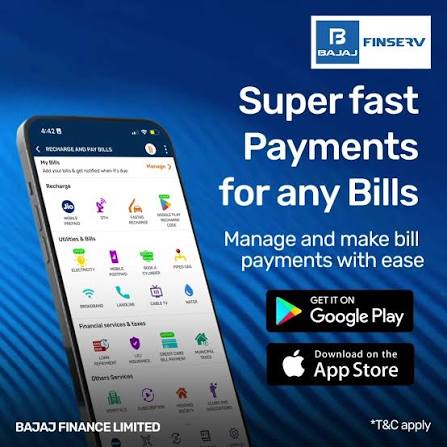
The real advantage of digital bill payment is not only speed. Users should be able to verify the biller, consumer number, billing period, amount due, due date, payment source, and transaction status before and after completing a payment. A structured process can help reduce missed bills, duplicate payments, and confusion when several household expenses are due within the same period.
Organising Bills Can Improve Monthly Cash Flow
Most households manage several recurring expenses every month.
These may include:
- Electricity bills
- Water charges
- Gas bills
- Broadband payments
- Mobile services
- DTH subscriptions
Keeping these expenses visible can make budgeting easier.
Users may choose to review upcoming bills at the beginning of each month and estimate the total amount required. This can reduce the risk of spending money allocated for essential household payments on unrelated purchases.
Verify The Biller Before Making Payment
Digital platforms may save frequently used billers for convenience.
Before confirming a transaction, users should still check:
- Biller name
- Consumer or account number
- Customer name
- Billing cycle
- Amount
This becomes especially important when multiple family accounts or properties are linked to the same application.
An incorrect account number can result in a payment being applied to the wrong account.
Bill Amounts Should Be Reviewed Every Month
Recurring bills do not always remain the same.
The amount can change because of:
- Higher consumption
- Tariff changes
- Previous unpaid balances
- Adjustments
- Additional services
Users should avoid assuming that the current amount will match the previous month.
If a bill increases unexpectedly, reviewing the underlying statement can help identify the reason before payment is made.
Due Dates Can Support Better Planning
Bill due dates provide a useful structure for monthly expense management.
Rather than paying each bill only when a reminder appears, users can create a schedule based on expected due dates.
For example, monthly expenses may be grouped into:
- Early-month bills
- Mid-month bills
- End-of-month bills
This can help spread payment obligations more evenly across the month.
It may also reduce the risk of overlooking an important bill.
Transaction History Provides A Useful Record
Digital payment records can help users confirm whether a bill has already been paid.
Useful details may include:
- Payment date
- Amount
- Biller
- Transaction ID
- Status
This can be particularly helpful when several people in the same household manage expenses.
Checking the transaction history before making a payment can help prevent accidental duplication.
Pending Payments Should Not Be Repeated Immediately
A bill transaction may occasionally remain pending.
Users should first check:
- Payment history
- Linked bank account
- Biller status
- Transaction reference
A pending payment may later become successful or reverse automatically depending on the transaction outcome.
Making the same payment again too quickly can create duplicate charges.
Failed Transactions Need Proper Tracking
If a bill payment fails after the amount has been debited, users should retain the transaction details.
Important information includes:
- Transaction ID
- Date
- Amount
- Biller
- Current status
These details can help when contacting official customer support.
Keeping clear records is especially useful when multiple transactions occur on the same day.
Refunds And Reversals Should Be Monitored
A failed transaction may lead to a reversal.
Users should check whether the amount returns to the original payment source.
If the refund does not appear as expected, the transaction reference should be used when contacting official support.
Users should avoid sharing confidential authentication details with anyone claiming to speed up the refund.
Saved Billers Need Periodic Review
Saving biller details reduces repeated data entry.
However, saved information can become outdated.
Users should review saved accounts when:
- Moving to another property
- Changing service providers
- Closing an old account
- Updating consumer details
Removing unused billers can reduce the chance of paying the wrong account.
Autopay Can Help, But It Still Needs Oversight
Some bill payment platforms may support recurring payment instructions.
Autopay can reduce the risk of missing due dates, but users should still monitor:
- Active mandates
- Payment amounts
- Linked accounts
- Service status
A service that is no longer required should not continue generating automatic payments simply because the mandate remains active.
Automation should improve convenience without reducing financial visibility.
Security Matters Even For Familiar Bills
Users may become less cautious when paying the same utility every month.
Basic security practices should still apply.
Never share:
- OTPs
- UPI PINs
- Banking passwords
- Card PINs
These details should remain private even if someone claims there is a payment problem.
Official app support channels should be used whenever assistance is required.
Suspicious Bill Messages Should Be Verified
Users may receive messages claiming that:
- A bill is overdue
- A service will be disconnected
- An account needs immediate verification
- A refund is available
Rather than following unfamiliar links, users should open the official payment platform directly and verify the bill independently.
Urgency is commonly used to encourage quick action, so users should verify information before entering financial details.
Promotional Offers Should Remain Secondary
Digital payment platforms may display cashback, coupons, or promotional rewards.
A upi offer can provide additional value when the bill payment was already required, but it should not encourage unnecessary spending or influence users to pay through a method they do not understand.
The primary goal should remain accurate, timely, and secure bill settlement.
Conclusion
A bill payment app can simplify recurring household payments by bringing biller information, due dates, payment methods, transaction history, and payment status into one digital workflow.
Users should verify account details, review bill amounts, track pending or failed transactions, monitor refunds, and keep saved billers up to date. Security should remain consistent even for familiar monthly payments.
The most effective bill-payment routine combines convenience with careful verification, clear records, and a structured approach to monthly household expenses.